3699 Wilshire Blvd. Ste 700, Los Angeles, CA 90010 Mon-Fri 9am-6pm +1-213-387-4508

Alimony vs Spousal Support in California: What Los Angeles Clients Really Need to Know

2 men shaking hands in a law office

If you’re facing divorce in Los Angeles, you’ve probably heard both terms—alimony and spousal support—and wondered whether they mean different things. The short answer is no: in California, alimony and spousal support refer to the same legal concept. However, understanding how spousal support actually works in LA County courts can make a significant difference in your financial future.

Whether you’re concerned about paying spousal support or believe you may be entitled to receive spousal support, the stakes are high. Support orders can last for years and involve substantial monthly payments. With 27+ years of experience in Los Angeles family law courts and the unique advantage of both Certified Family Law Specialist (CFLS) and CPA credentials, we’ve seen how proper financial analysis and strategic planning can protect your interests while ensuring fair outcomes.

In this comprehensive guide, we’ll explain exactly how California courts determine spousal support, when you might be required to pay alimony, and how recent tax law changes affect your bottom line. You’ll learn the difference between temporary and long-term support, discover when courts might deny or limit payments, and understand how to navigate the complex intersection of spousal support and property division.

An attorney and client are engaged in a professional consultation, reviewing legal documents related to spousal support and financial obligations during divorce proceedings. The scene reflects a focus on key issues, such as alimony payments and the financial needs of both spouses.

Alimony vs Spousal Support: The Short Answer for California

Under California law, “alimony” and “spousal support” are essentially the same thing—court-ordered financial support from one spouse to another during or after divorce. The California Family Code and Los Angeles County courts primarily use the term “spousal support,” but you’ll often hear lawyers, clients, and even judges use “alimony” interchangeably.

California courts can order spousal support in divorce, legal separation, or dissolution of a domestic partnership case. This financial assistance helps address the economic disparity that often arises when one spouse earns significantly more than the other. The court’s goal is to help both parties transition from being a single economic unit to maintaining separate households.

Spousal support can be ordered at two distinct phases of your case. First, temporary spousal support may be awarded while your divorce is pending to maintain basic living expenses and preserve the status quo. Second, long-term or “permanent” spousal support—though it’s usually time-limited—can be included in your final judgment.

It’s crucial to understand that spousal support is completely separate from child support. While both may be ordered in the same case, they serve different purposes and follow different calculation methods. Spousal support orders are enforceable court orders with serious consequences for violation, including wage garnishment and contempt of court.

Consider this common scenario: A marketing executive in West LA earns $180,000 annually, while their spouse stayed home for eight years raising children in Beverly Hills. During divorce, the court may order temporary spousal support based on a guideline formula, then determine long-term support by analyzing the marital standard of living, the supported spouse’s ability to become self-supporting, and other factors.

With our firm’s combined legal and accounting expertise, we help clients understand not only what support may be ordered but also how different financial structures—from stock options to rental properties—affect the calculation and tax treatment of spousal support payments.

What Is Alimony / Spousal Support Under California Law?

Spousal support represents ongoing payments from one spouse or registered domestic partner to the other, ordered under California Family Code provisions to help balance post-separation finances. These payments are designed to address situations in which ending a marriage would leave one party at a significant economic disadvantage relative to the other.

Either spouse—regardless of gender—can be ordered to pay spousal support, depending on income, earning capacity, and the marriage’s specific circumstances. California law is completely gender-neutral on this issue. The determining factor is financial need versus ability to pay, not traditional gender roles.

Common Los Angeles scenarios where spousal support becomes a central issue include:

• A spouse who paused their career for fifteen years to raise children in Sherman Oaks while their partner built a successful business • A couple in Downtown LA where one spouse supported the household through their medical practice while the other managed family responsibilities • Long-term marriages (typically 10+ years) where one spouse has limited recent work history but maintained the family’s social and domestic life • Situations involving substantial separate property where one spouse receives significant assets but has limited income-generating capacity

Spousal support can result from either a court order following a hearing or trial, or from a negotiated Marital Settlement Agreement in which both parties agree on the terms. The vast majority of spousal support determinations in LA County come through negotiation rather than contested hearings.

When cases involve complex financial structures—self-employment income, closely-held corporations, multiple income streams from entertainment royalties, or substantial real estate holdings—having legal counsel with CPA credentials becomes particularly valuable. Our dual expertise allows us to properly analyze and present income information that courts need to make fair support determinations.

For example, a television producer might show modest W-2 income but receive substantial residual payments and profit participation that significantly affect their ability to pay spousal support. Similarly, a spouse with limited current earnings might own appreciating real estate, which could affect their need for ongoing financial assistance.

Is There Any Real Difference Between “Alimony” and “Spousal Support” in California?

In California practice, there is no legal distinction between “alimony” and “spousal support”—they both refer to the same court-ordered financial assistance between spouses or domestic partners. The terms are completely interchangeable when discussing the substance of support obligations.

The shift in terminology reflects broader changes in family law. “Alimony” is the older, traditional term that historically carried implications of husbands paying wives due to fault-based divorce and conventional gender roles. “Spousal support” represents the modern, gender-neutral approach used in California statutes and by LA County judges.

Some other states still maintain technical distinctions between these terms. For instance, Pennsylvania uses “spousal support” for payments before divorce is filed, “alimony pendente lite” during divorce proceedings, and “alimony” after final judgment. Florida historically used “alimony” but many practitioners now prefer “spousal support.” However, California makes no such timing or procedural distinctions based on terminology.

It’s important to understand what these terms don’t mean in contrast to related concepts:

Spousal maintenance: Some states use this term, but California generally does not
Palimony: This refers to support between unmarried cohabitants and involves different legal theories entirely
Separate maintenance: While California allows legal separation with support orders, the framework is essentially identical to divorce support analysis

There is no difference in tax treatment, enforceability, or modification procedures in California based on which word appears in conversation or even in some documents. What matters is the actual court order and its specific terms.

Let’s address some persistent misconceptions:

Myth: “Alimony” is permanent while “spousal support” is temporary
Reality: Both terms can describe temporary or long-term obligations; duration depends on marriage length and other factors, not terminology

Myth: “Alimony” only applies when someone was “at fault” for the marriage ending
Reality: California is a no-fault divorce state; spousal support focuses on financial need and ability to pay, not marital misconduct.

Myth: The choice of terminology affects legal rights
Reality: Your rights and obligations are governed by California Family Code provisions and court orders, regardless of which term appears in discussions

In LA County paperwork—from initial petitions filed at Stanley Mosk Courthouse to final judgments entered in Pasadena or Van Nuys—you’ll see “spousal support” in all official documents, even though clients often still say “alimony” out of habit.

The image depicts the scales of justice balanced with financial documents, symbolizing the legal and financial considerations in divorce proceedings, such as spousal support and alimony payments. This representation highlights the importance of financial support and obligations between spouses during and after the dissolution of marriage.

Types of Spousal Support in California (Temporary vs. Long-Term)

California recognizes two main categories of spousal support in divorce and legal separation cases: temporary support (also called “pendente lite” support) and long-term or post-judgment support. Both serve essential but different purposes in Los Angeles Superior Court cases, whether filed in Stanley Mosk Downtown, Pasadena, Van Nuys, Long Beach, or other LA County courthouses.

Understanding the distinction is crucial because these two types of support use different calculation methods, serve other purposes, and often result in different payment amounts. The court approaches each with distinct goals and legal standards.

Here’s how they compare:

Timing: Temporary support operates during your case, while long-term support takes effect after final judgment Calculation method: Temporary support often uses guideline formulas, while long-term support requires detailed analysis of multiple statutory factors Typical duration: Temporary support lasts until judgment; long-term support duration varies based on marriage length and other circumstances Modification: Both can be modified for material changes in circumstances, but temporary support changes are less common given the shorter timeframe

The court may also structure long-term support in sophisticated ways, such as “step-down” orders that decrease over time, “Gavron warnings” that encourage self-support efforts, or arrangements that coordinate with retirement account distributions through Qualified Domestic Relations Orders (QDROs).

Temporary Spousal Support in Los Angeles County

Temporary spousal support refers to payments ordered while divorce or legal separation is pending. The primary purpose is to maintain the status quo and ensure both parties can meet basic living expenses and legal costs while the case proceeds through the court system.

In LA County, judges frequently rely on computer software such as Dissomaster or Xspouse that applies a mathematical formula based largely on:

• Current gross and net income of both spouses • Mandatory payroll deductions (taxes, insurance, union dues) • Basic tax filing assumptions • Existing child support obligations

Temporary support calculations are typically more mechanical and often result in higher support amounts than final orders because the court isn’t yet weighing all the California Family Code § 4320 factors that govern long-term support. The focus remains on immediate cash flow needs rather than long-term lifestyle analysis.

Consider this concrete example: In a 12-year marriage in Santa Monica, one spouse earns $200,000 annually as a marketing director while the other spouse earns $40,000 part-time as a consultant. Under temporary support guidelines, the higher-earning spouse may pay approximately $4,000- $5,000 per month, helping bridge the income gap while their attorneys negotiate property division and long-term support.

Temporary orders can be modified if material short-term changes occur—such as sudden job loss, medical emergency, or significant bonus payments—but courts generally expect these orders to remain stable throughout the case. The emphasis is on maintaining a predictable cash flow rather than fine-tuning based on every income fluctuation.

When cases involve complex compensation structures—stock options, variable bonuses, RSUs from tech companies, or irregular entertainment-industry income—having legal representation with both CFLS and CPA credentials is significant. We can accurately present income information to ensure fair temporary support calculations that neither overburden the paying spouse nor leave the supported spouse unable to meet basic needs.

Long-Term / Post-Judgment Spousal Support

Long-term spousal support, sometimes called “permanent” support, represents the financial assistance ordered as part of your final divorce judgment. Despite the “permanent” label, this support is usually time-limited and designed to help the lower-earning spouse achieve reasonable financial independence.

Unlike temporary support, judges must base long-term spousal support on the comprehensive list of factors found in California Family Code § 4320, not on simple income-based formulas. This gives LA County judges broad discretion to craft orders that fit each family’s unique circumstances.

Typical duration patterns include:

Marriages under 10 years: Support often lasts approximately half the length of the marriage. For example, a 12-year marriage might result in 6 years of support, though specific facts can justify longer or shorter periods.

Long-duration marriages (generally 10+ years): Courts may not set a fixed end date initially, instead retaining jurisdiction to review support periodically. However, courts still expect the supported spouse to work toward reasonable self-sufficiency.

Very short marriages (under 2-3 years): Support may be denied entirely or limited to a brief transition period, especially when both spouses have similar earning capacity.

Courts often issue “Gavron warnings”—advisements telling the supported spouse they’re expected to become self-supporting within a reasonable time and should make good-faith efforts toward that goal. Failure to pursue education, job training, or employment opportunities can affect future support modifications.

Long-term support orders must be individually tailored based on detailed evidence about:

• Each spouse’s earning capacity and employment history • The marital standard of living, including housing costs in specific LA neighborhoods • Age and health factors affecting employability • Contributions to the other spouse’s education or career development • Property division results and separate assets • Tax consequences of different support structures

Complex asset cases—involving stock options from entertainment or tech companies, professional practices, substantial real estate portfolios, or business interests—often require careful financial analysis by counsel with CPA experience. The interaction between property awards and ongoing support obligations can significantly affect your long-term financial position.

For instance, a spouse receiving substantial rental property in Westside LA might need less ongoing support than someone receiving retirement accounts that won’t be accessible for years. Understanding these financial nuances helps ensure your final judgment reflects a fair overall resolution.

How California Courts Decide Spousal Support Amount and Duration

For long-term spousal support, California Family Code § 4320 requires judges to consider multiple factors rather than apply a mechanical formula. This gives LA County judges significant discretion but also means you must present compelling evidence on each relevant factor to achieve the best outcome.

The most critical § 4320 factors include:

Earning capacity and ability to maintain marital standard of living: Courts examine each spouse’s education, skills, work history, and current job market. For a spouse who left the workforce to raise children, this includes analyzing their ability to return to previous career levels or develop new skills.

Length of the marriage: Generally measured from wedding to permanent physical separation. Longer marriages typically justify longer support periods and higher amounts.

Age and health of both parties: A 55-year-old supported spouse faces different employment prospects than a 35-year-old. Serious health issues affecting earning capacity receive significant weight.

Marital standard of living: Courts look at actual lifestyle during marriage—housing costs in specific LA neighborhoods like Manhattan Beach vs. San Fernando Valley, private vs. public school decisions, typical vacation and entertainment spending.

Documented domestic violence: Findings of abuse can bar the abusive spouse from receiving support and affect property division.

Educational contributions: If one spouse supported the other through professional school (USC, UCLA, or other graduate programs), this weighs toward longer support.

Asset division and separate property: Courts consider what each spouse receives in property division when determining ongoing support needs.

Tax consequences: Post-2019 tax law changes mean spousal support is no longer deductible for the payor or taxable to the recipient, affecting the economic impact.

LA County judges often focus on lifestyle-specific details when evaluating “marital standard of living.” This might include:

• Housing costs—a couple accustomed to a $6,000/month Westside apartment has different needs than one with a $3,000/month Valley rental • Transportation patterns—commuting costs and car payments in different LA neighborhoods • Children’s education expenses—private school tuition vs. public school with enrichment activities • Healthcare and insurance costs, particularly relevant for older parties

Child support is calculated first using statewide guidelines, and spousal support analysis builds on top of that foundation. This makes accurate income analysis essential, as the same income may need to support two households and any child support obligations.

Our combined CFLS and CPA background proves particularly valuable in this analysis:

Income determination: We analyze paystubs, K-1s, profit and loss statements, and tax returns to establish actual earning capacity • Business expense analysis: Many self-employed spouses mix personal and business expenses; we help distinguish legitimate business costs from lifestyle choices that should count as income • Complex compensation: Stock options, RSUs, bonuses, and commission structures require sophisticated analysis to project future support capacity

Judges exercise significant discretion within the § 4320 framework. Two similar cases in different LA courthouses—Pomona vs. Chatsworth, for example—can yield various outcomes depending on individual judges’ preferences and the specific facts of the case. This makes local courthouse experience and familiarity with particular judicial officers valuable in developing realistic support expectations and negotiation strategies.

The image depicts a calculator alongside various financial documents, illustrating the complex calculations involved in determining spousal support payments during divorce proceedings. These documents may include details about alimony payments, financial obligations, and the financial situations of both spouses.

Tax Treatment of Alimony / Spousal Support After 2019

Federal law changed dramatically for spousal support payments under the Tax Cuts and Jobs Act (TCJA), with effects beginning January 1, 2019. For divorce or separation judgments entered after that date:

Spousal support payments are no longer tax-deductible by the paying spouse for federal income tax purposes • The supported spouse no longer reports them as taxable income at the federal level

California state income tax generally follows federal treatment for post-2018 orders, but pre-2019 judgments may still apply the old rules under which alimony payments were deductible by the payor and taxable to the recipient. If you have an existing support order from before 2019, bring those documents to any legal consultation for review of the current tax treatment.

This tax law change significantly altered negotiation strategies. Previously, spousal support created tax arbitrage opportunities—the higher-earning spouse could deduct payments at their higher tax bracket while the supported spouse paid taxes at their lower bracket, creating overall tax savings that could benefit both parties.

Under current law, that tax advantage no longer exists for new orders. The paying spouse bears the full economic burden without deduction, while the supported spouse receives the full benefit without paying income tax. This means:

Lump-sum buyouts may be more attractive than ongoing payments for paying spouses • Property offsets require more careful analysis since support payments no longer generate tax savings • Settlement structures need CPA-level analysis to understand true after-tax costs and benefits

The coordination between spousal support and property division became more complex after the TCJA. Consider these scenarios:

QDROs and retirement accounts: Trading a larger share of a 401(k) or pension for reduced spousal support may be more beneficial for paying spouses since they avoid non-deductible support obligations

Capital gains planning: Timing of asset sales and capital gains recognition requires careful coordination with support obligations since support can no longer offset taxable income

Business valuations: When one spouse owns a business, the interaction between support obligations and business cash flow needs more sophisticated analysis without the deduction benefit

Our principal attorney’s CPA credentials provide particular value in modeling these after-tax scenarios, especially for complex LA divorces involving:

• Technology company RSUs and stock options • Entertainment industry variable income and residuals
• Multiple rental properties across LA County • Professional practices and business interests

We can calculate the true economic impact of different settlement structures, helping you understand whether a higher property award or longer support period better serves your financial goals. This analysis is particularly crucial in high-asset cases where small percentage differences in structure can translate to hundreds of thousands of dollars over time.

Spousal Support vs. Child Support in California

Child support and spousal support serve entirely different purposes and follow different legal frameworks, though both may be ordered in the same Los Angeles County divorce case. Understanding these differences helps you plan for your post-divorce financial obligations and budget.

Child support provides for the children’s specific needs—housing, food, clothing, education, healthcare, and extracurricular activities. California calculates child support using statewide guideline formulas under Family Code sections that consider:

• Each parent’s income and timeshare with the children • Mandatory payroll deductions • Health insurance costs for the children • Childcare expenses related to employment

Child support calculations are essentially mathematical, determined by software such as Dissomaster, which inputs income and timeshare data to produce guideline amounts. Judges have limited discretion to deviate from these calculations.

Spousal support addresses the economic disparity between adult spouses and helps the lower-earning spouse maintain a reasonable standard of living. Courts have broad discretion in spousal support determinations under the Family Code § 4320, factors we discussed earlier.

Here’s how these interact in practice:

Calculation order: Courts determine child support first, then analyze spousal support based on remaining income after child support obligations. This means child support takes priority over spousal support if resources are limited.

Combined obligations: The same paying spouse may owe both child support and spousal support simultaneously. Courts ensure the total obligations remain manageable under the paying spouse’s net income, but both obligations must be met.

Duration differences: Child support typically ends when children reach 18 and graduate high school (or age 19, whichever comes first). Spousal support duration depends on marriage length and the § 4320 factors, often extending well beyond child support obligations.

Consider this Burbank family scenario: Parents share 50/50 custody of two children, but one parent earns $120,000 annually while the other earns $45,000. Child support might be minimal due to equal timeshare, but spousal support could be substantial due to the income disparity. The children’s financial needs are met through shared custody time and roughly proportional contributions, while spousal support addresses the adults’ economic inequality.

In contrast, if the higher-earning parent has primary custody, they may receive child support while also paying spousal support to help their ex-spouse maintain independent housing appropriate for parenting time.

Key distinctions for LA County families:

Child support is not negotiable below guideline amounts without extraordinary circumstances and court approval • Spousal support is highly negotiable and often resolved through creative settlement structures • Child support continues regardless of the supported parent’s remarriage; spousal support typically terminates upon remarriage • Child support cannot be discharged in bankruptcy; spousal support may be dischargeable in certain circumstances

Both types of support can be adjusted to reflect material changes in circumstances. Still, child support modifications focus primarily on income and timeshare changes, while spousal support modifications consider the broader range of factors affecting adult economic circumstances.

When Can a California Court Deny or Limit Spousal Support?

Spousal support is not automatic in any California divorce. The requesting spouse must demonstrate both genuine financial need and that the other spouse has sufficient ability to pay spousal support while maintaining their own reasonable standard of living.

Domestic violence findings can dramatically limit or completely bar spousal support under California Family Code § 4325. Specifically:

Felony domestic violence convictions within 5 years before filing or during the divorce case can create a rebuttable presumption against awarding support to the abusive spouse • Misdemeanor domestic violence convictions still significantly affect support determinations and can influence both amount and duration • Documented patterns of abuse—even without criminal convictions—allow courts to consider domestic violence as a factor reducing or denying support

The policy recognizes that requiring domestic violence survivors to support their abusers financially can perpetuate control and abuse dynamics.

Other everyday situations where courts may reduce or deny spousal support include:

Very short marriages with similar incomes: A two-year marriage between spouses earning $85,000 and $95,000, respectively, is unlikely to generate significant support obligations, especially without children or career sacrifices.

Substantial separate property: A spouse claiming need for support who owns significant separate real estate, investments, or business interests may receive reduced support or none at all, depending on income-generating capacity.

Asset dissipation or financial misconduct: Spouses who hide money, run up deliberate debt, or waste marital assets may find their credibility undermined, affecting both support awards and property division.

Marital fault involving financial harm: While California is a no-fault divorce state, financial misconduct that affects the marital estate can influence support decisions.

Equal or similar earning capacity: When both spouses have similar education, work experience, and current income, courts may deny ongoing support after a brief transition period.

LA County judges also consider practical factors when evaluating support requests:

• Whether the requesting spouse made reasonable efforts to become self-supporting • The requesting spouse’s age and realistic employment prospects in the current job market • Whether career interruptions were genuinely necessary for family reasons or represented lifestyle choices • The paying spouse’s ability to maintain their own reasonable living standard after support obligations

It’s crucial to understand that survivors of domestic violence often need discreet, trauma-informed legal representation. Our firm provides confidential consultations where safety concerns can be discussed openly, and we have Spanish-speaking staff available to ensure all clients fully understand their legal rights and protection options.

Courts balance multiple competing interests in these determinations: protecting abuse survivors, ensuring children’s welfare, maintaining incentives for economic self-sufficiency, and recognizing genuine financial disparities created during marriage. The specific facts of each case—and how those facts are presented to the court—often determine the outcome more than abstract legal standards.

The image depicts a professional handshake between two individuals, symbolizing a legal consultation focused on spousal support and financial assistance during divorce proceedings. This gesture represents the collaborative effort to address spousal support issues and ensure fair financial obligations between spouses.

Modifying, Enforcing, or Ending Spousal Support Orders

Most long-term spousal support orders are “modifiable,” meaning either party can request changes if they can prove a material change in circumstances since the last order was made. However, the requesting party bears the burden of showing why the modification is justified under current conditions.

Common modification scenarios in Los Angeles include:

Job loss or significant income reduction: A paying spouse who has been laid off from a major entertainment studio, tech company, or aerospace firm may seek downward modification or temporary suspension of support obligations. However, courts scrutinize whether job loss was voluntary or involuntary and whether the paying spouse is making good-faith efforts to find comparable employment.

Supported spouse’s income increase: If the receiving spouse obtains new employment, completes education, or significantly increases earnings, this may justify reducing or terminating support. Courts examine whether the income increase represents true self-sufficiency or temporary circumstances.

Cohabitation: When the supported spouse lives with a new romantic partner in a financially supportive relationship, this can create grounds for modification or termination. California law presumes decreased need when cohabitation resembles marriage, but the supported spouse can present evidence that cohabitation doesn’t reduce their financial needs.

Retirement: Good-faith retirement at a reasonable age can justify modification or termination, but courts examine whether retirement is genuine and whether the retiree has sufficient resources to meet reduced support obligations.

Health changes: Serious illness affecting either spouse’s earning capacity or financial needs can warrant modification. Courts consider both temporary and permanent health impacts.

Courts will not modify support for voluntary underemployment or deliberate attempts to reduce income to avoid support obligations. Judges can “impute” income—essentially calculate support based on earning capacity rather than actual current income—when they believe a spouse is deliberately earning less than their ability.

Enforcement tools available when support payments are missed include:

Income withholding orders: Automatic payroll deduction from the paying spouse’s employment, similar to child support collection. This is often the most effective enforcement method for employed payors.

Contempt of court proceedings: Willful violation of support orders can result in fines, jail time, and attorney’s fees. However, courts distinguish between inability to pay and willful refusal to pay.

Asset seizure: Courts can order liens on real property, levy bank accounts, or seize other assets to satisfy unpaid support obligations.

Professional license suspension: In extreme cases, professional licenses (medical, legal, contractor, real estate) may be suspended for chronic non-payment of support.

Credit reporting: Unpaid support obligations appear on credit reports and can significantly impact the paying spouse’s financial standing.

Termination of spousal support typically occurs when:

• The supported spouse remarries (automatic termination in most orders) • Either spouse dies • A specific termination date in the judgment is reached • The court finds the supported spouse is self-supporting and no longer needs assistance • Both parties agree to terminate support through a stipulated modification

For “long-duration” marriages where the original judgment didn’t set a specific end date, termination requires proving that continued support is no longer necessary or that circumstances have fundamentally changed.

Experienced LA County family law counsel can help negotiate “step-down” provisions that reduce support over time, lump-sum buyouts that eliminate future modification risks, or stipulated modifications that address changed circumstances without the expense of litigation. The key is understanding how different modification approaches affect your long-term financial security and planning accordingly.

Negotiating Alimony / Spousal Support in a Los Angeles Divorce

Most spousal support outcomes in LA County result from negotiated settlements rather than contested trials. Effective negotiation requires thorough financial analysis, realistic assessment of court alternatives, and creative structuring that addresses both parties’ core concerns.

Common negotiation strategies include:

Temporary support stipulations: Agreeing on interim support early in the case provides financial stability while attorneys work on property division and long-term settlement terms. This avoids expensive motion practice and establishes a working relationship between counsel.

Support ranges based on § 4320 analysis: Rather than arguing for a single number, experienced attorneys often present ranges of reasonable support amounts based on different assumptions about key factors like earning capacity, property division, and duration.

Trade-offs between support and property division: Many LA County settlements involve exchanging support rights for property interests. For example:

  • A spouse might accept a larger share of retirement accounts through QDROs in exchange for waiving or reducing long-term support
  • Property-rich but cash-poor spouses might retain the family home by accepting higher support obligations
  • Business-owning spouses might buy out their ex-spouse’s community property interest while agreeing to time-limited support

Creative structuring options:

  • “Step-down” support that decreases over time as the supported spouse builds earning capacity
  • Support that terminates upon specific events like completion of education or children reaching certain ages
  • Support tied to performance metrics like job search efforts or educational milestones
  • Lump-sum payments instead of monthly obligations to eliminate future modification risks

Full financial disclosure forms the foundation of any meaningful negotiation. California law requires complete disclosure of income, assets, debts, and expenses through detailed financial declarations. In complex cases, this process often reveals:

Business income analysis: Self-employed spouses in entertainment, real estate, professional services, or other LA-area industries must provide accurate books and records. Forensic accounting may be necessary when income is disputed or when business and personal expenses are commingled.

Asset valuation issues: Professional practices, entertainment residuals, real estate portfolios, or technology company equity require expert analysis to determine fair values for both support and property division purposes.

Lifestyle documentation: Proof of marital standard of living through credit card statements, tax returns, and other records helps establish reasonable support levels and duration.

Our bilingual (English/Spanish) legal team and staff ensure all parties fully understand proposed settlement terms, particularly important in diverse LA communities across East LA, San Fernando Valley, South LA, and other areas where language barriers might otherwise affect negotiation outcomes.

The firm’s CFLS and CPA credentials provide significant advantages in modeling long-term financial scenarios. We can calculate:

• After-tax cash flow under different support arrangements • Present value of lump-sum buyouts vs. ongoing payments • Coordination between support obligations and retirement account distributions • Tax consequences of different property division structures

For high-asset or complex income cases, we often collaborate with forensic accountants, business valuators, vocational experts, and tax specialists to ensure settlement negotiations are based on complete and accurate financial information.

Successful negotiation focuses on problem-solving rather than position-taking. The goal is reaching durable agreements that both parties can live with long-term, avoiding future modification battles that benefit no one except attorneys. This requires understanding each spouse’s core financial needs and concerns, then crafting solutions that address those needs within the framework of California law.

Do You Need an Attorney for Alimony / Spousal Support in Los Angeles?

Self-representation is sometimes realistic in straightforward cases: short marriages without children, similar incomes, few assets, and no complex financial issues. However, spousal support determinations involve substantial financial consequences that often justify professional legal representation, particularly in LA County’s complex legal environment.

Situations where CFLS/CPA expertise adds significant value:

Stock options and equity compensation: Technology, entertainment, and startup employees often receive RSUs, stock options, or profit participation that complicates income analysis for support purposes. These compensation structures require sophisticated understanding of vesting schedules, tax treatment, and valuation methods.

Real estate portfolios: Many LA County residents own multiple properties—primary residence plus rental properties across different markets. Analyzing income-producing capacity, appreciation potential, and liquidity affects both support calculations and property division strategies.

Professional practices: Medical offices, law firms, accounting practices, creative agencies, and other professional businesses require specialized valuation methods and income analysis. Distinguishing between business goodwill, equipment value, and owner compensation becomes crucial for fair support determinations.

Entertainment industry income: Actors, writers, directors, musicians, and other entertainment professionals often have fluctuating income from residuals, royalties, and project-based work. Establishing reasonable ongoing support requires understanding industry patterns and career cycles.

Complex retirement benefits: QDROs for 401(k)s, 403(b)s, pensions, and other retirement plans must be coordinated with support obligations. Sometimes a larger share of retirement assets can substitute for ongoing support payments, but this requires careful present-value analysis.

Our firm’s 27+ years of courtroom experience in LA County provides practical advantages:

Local courthouse knowledge: We understand how different family law departments in Stanley Mosk (Downtown LA), Van Nuys, Pasadena, Long Beach, and other courthouses approach spousal support issues. Individual judges have preferences and patterns that affect case strategy.

Expert witness coordination: Complex cases often require forensic accountants, business appraisers, vocational evaluators, or other experts. We maintain relationships with qualified professionals and know how to present expert testimony effectively to LA County judges.

Settlement leverage: Understanding realistic court outcomes in your specific courthouse gives us negotiation leverage and helps clients make informed decisions about settlement vs. trial.

Bilingual services: Our Spanish-speaking staff and interpreters ensure all clients receive complete, clear explanations of their support rights and obligations, particularly important in LA’s diverse communities.

Consider seeking professional legal consultation when:

• Either spouse owns a business or has complex income sources • Marriage lasted 10+ years (potentially “long-duration” marriage) • Significant assets require division (real estate, retirement accounts, investments) • Either spouse has substantially higher earning capacity than shown by current income • Domestic violence occurred during the marriage • Previous support orders need modification due to changed circumstances • Either party feels pressured to agree to terms they don’t fully understand

The consultation process should include:

• Review of income documentation (tax returns, paystubs, business records) • Analysis of assets and debts requiring division • Discussion of realistic support ranges based on your specific facts • Explanation of negotiation alternatives vs. court proceedings • Clear fee arrangements and timeline expectations

Early legal advice often prevents expensive mistakes—signing one-sided agreements, under-reporting income, or misunderstanding the long-term financial impact of proposed terms. The cost of experienced counsel is usually far less than the financial consequences of unfavorable support orders that last for years.

The image depicts the exterior of a Los Angeles courthouse, symbolizing local legal expertise and experience in handling divorce proceedings, including issues related to spousal support and alimony payments. This setting reflects the importance of financial support and legal guidance for individuals navigating the complexities of family law.

Next Steps: Talk with a Los Angeles Spousal Support Attorney

If you’re considering divorce, already involved in a Los Angeles County family law case, or facing a support hearing or modification request, getting individualized legal advice can help protect your financial future. Every spousal support case involves unique circumstances that general information cannot fully address.

Gather key documents before your consultation to maximize the value of your time with counsel:

• Most recent 2-3 years of tax returns and W-2s/1099s for both spouses • Recent paystubs, especially if income has changed significantly • Any existing court orders, judgments, or legal separation agreements
• Basic monthly budget showing current living expenses and debt payments • Property records for real estate, retirement accounts, and major assets • Business financial statements if either spouse owns a company

This documentation helps us provide realistic assessments of potential spousal support exposure or entitlement under California law, rather than hypothetical estimates that may not reflect your actual situation.

We offer confidential consultations in both English and Spanish to accommodate LA County’s diverse communities. During this meeting, we can:

• Analyze your specific facts under current California spousal support law • Explain how LA County judges typically approach cases similar to yours • Identify complex financial issues that require CPA-level analysis • Discuss negotiation strategies vs. court proceedings • Provide realistic timelines and cost estimates for your case

Common consultation topics include:

Whether you might be required to pay spousal support based on income disparity and marriage duration What support amount and duration you might reasonably expect to receive if you qualify How recent tax law changes affect the economics of support vs. property trade-offs Whether existing support orders can be modified based on changed circumstances How to protect business interests while meeting support obligations Coordination between support and retirement account division through QDROs

Early legal advice often prevents costly mistakes that affect your financial security for years. Understanding your rights and obligations before making irrevocable agreements helps ensure fair outcomes that you can live with long-term.

Our firm’s combination of 27+ years in LA County family courts and dual CFLS/CPA credentials provides the legal knowledge and financial expertise needed for complex spousal support cases. Whether you need aggressive representation in contested proceedings or collaborative counsel for negotiated settlements, we help clients achieve practical solutions that protect their financial interests.

Contact us today to schedule a confidential consultation about spousal support, property division, and your overall divorce strategy in Los Angeles County. Understanding your options and developing a realistic plan gives you the foundation for making informed decisions about your future.

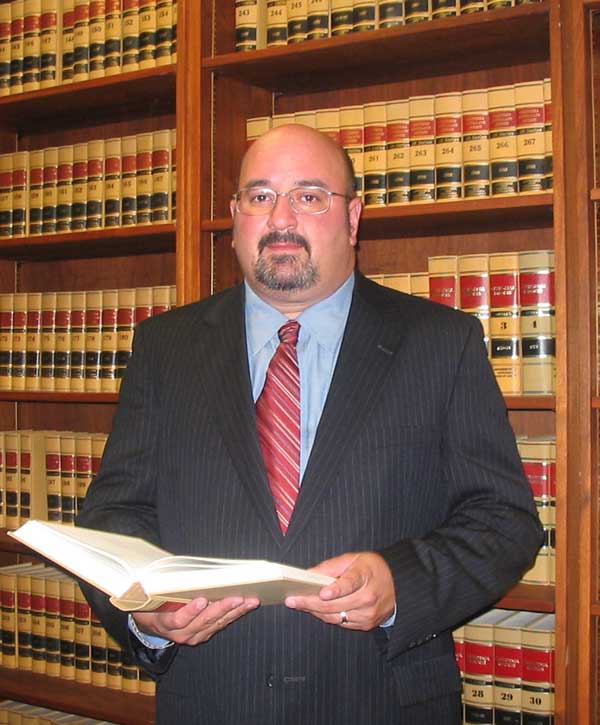
Charles M. Green is Certified as a California Family Law Specialist through the Board of Legal Specialization of the State Bar of California. He has worked extensively in both financial accounting fields and as a litigation attorney specializing in Family Law Cases. He is also diversely experienced in a number of other legal practice areas of importance to individuals, families, and businesses.

Leave a Reply