
A high net worth divorce involves the division of marital assets typically exceeding $1 million—including business interests, real estate holdings, equity compensation, retirement accounts, and digital assets—under California’s community property laws. When significant assets are at stake, specialized legal representation is essential because California Family Code § 760 presumes that all property acquired during marriage is community property subject to a 50/50 division, and missteps in valuation or characterization can result in substantial financial loss.
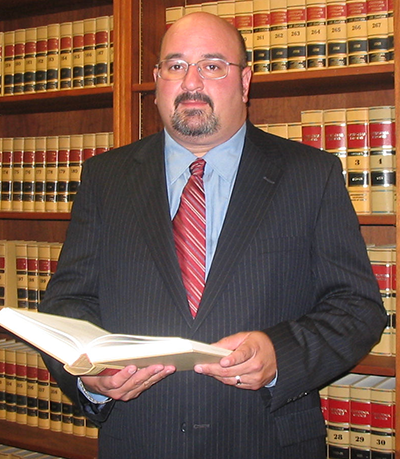
Charles M. Green brings a unique combination of credentials to complex divorce cases: as both a Certified Family Law Specialist (a designation held by fewer than 1% of California attorneys) and a licensed CPA, he performs direct financial analysis in-house rather than outsourcing to third-party forensic accountants. This dual expertise enables precise asset valuation, tax impact modeling, and strategic case planning for high-net-worth individuals navigating divorce proceedings in Los Angeles County.
High asset divorce cases present challenges that extend far beyond standard family law matters. When the marital estate includes complex assets, business valuations, and substantial investment accounts, the stakes demand an experienced attorney with both legal specialization and financial acumen.
Complex Asset Valuation Under California Family Code § 760: Determining whether assets are community property or separate property requires tracing acquisition dates, funding sources, and any transmutation under Family Code §§ 850–853. Mischaracterization can shift millions of dollars between spouses.
Tax Implications and Financial Analysis Requirements: Division of stock options, retirement accounts, and deferred compensation creates taxable events. Structuring settlements without understanding these consequences can devastate a client’s financial future.
Privacy Protection and Discretion Needs: High net worth individuals in the Los Angeles area—particularly in entertainment, technology, and professional practices—require confidential handling of divorce proceedings, including protective orders and sealed filings when appropriate.
Business Continuity and Ownership Preservation: For clients with closely-held businesses, maintaining operational control during and after divorce is critical. This requires sophisticated valuation methods and strategic negotiation to preserve ownership rights.
Professional financial analysis conducted by an experienced lawyer who is also a CPA ensures optimal outcomes—identifying hidden value, avoiding tax traps, and protecting your financial interests throughout the divorce process.
Charles M. Green’s CPA background enables direct financial analysis of complex assets without the delays and costs of outsourcing to financial experts. This includes valuation of business assets, investment accounts, real estate holdings, and equity compensation—all under California’s community property framework.
Property division in high asset cases requires precise characterization of community versus separate property, tracing of commingled funds, and analysis of debts acquired during marriage. We handle these complex issues with the financial expertise they demand.
Business valuations in divorce require understanding both legal precedent and financial methodology. We apply California case law—including Pereira and Van Camp accounting methods—to determine how business growth should be allocated between separate property and community property.
Protecting ongoing business operations during divorce proceedings is essential for clients whose wealth depends on their professional practices or closely-held companies. Our approach preserves business continuity while ensuring equitable distribution of marital property.
Under California Family Code § 760, businesses acquired or grown during marriage are typically community property subject to division. When a business existed before marriage but increased in value due to a spouse’s labor, courts apply either Pereira or Van Camp accounting to determine the community’s share—Pereira when personal effort drove growth, Van Camp when economic factors were the primary contributor.
Charles’s CPA background allows direct performance of business valuations—projecting growth attributable to labor versus capital, applying appropriate discounts for lack of marketability and control, and analyzing enterprise versus personal goodwill. This eliminates reliance on third-party forensic accountants, reducing both cost and timeline while ensuring the analysis reflects litigation strategy.
California courts treat unvested stock options and RSUs granted during marriage as community property to the extent they compensate for services rendered during the marriage. Under In re Marriage of Brown (1976), these contractual rights are divisible even when vesting occurs after separation.
Courts apply time-rule formulas—such as the Hug or Nelson formula—to apportion the community versus separate portions of equity compensation. Tax consequences arise when options vest or shares are sold, requiring precise allocation in settlement agreements. A CPA-qualified attorney can model expected future value, simulate tax loads, and negotiate cash equivalents that protect both parties’ financial security.
Digital assets acquired during marriage using marital funds constitute community property regardless of which spouse controls the wallet or account. California Family Code §§ 2100–2106 requires full financial disclosure of all assets in divorce proceedings, including cryptocurrency holdings across all wallets and exchange accounts. Failure to disclose can result in sanctions or the court awarding the hidden asset entirely to the other spouse.
Cryptocurrency division presents unique challenges: volatility between filing and settlement dates, authentication of ownership across multiple wallets, tracing blockchain transactions to establish separate versus community property, and establishing cost basis for tax purposes. When one spouse suspects hidden digital assets, forensic blockchain analysis and subpoenas to exchanges can uncover concealed holdings. Charles’s CPA background enables direct analysis of transaction histories, cost basis calculations, and tax impact modeling for cryptocurrency division—combining legal strategy with the financial expertise these assets demand.
Retirement benefits accrued during marriage are community property under California law. Division requires Qualified Domestic Relations Orders (QDROs) for ERISA-covered plans or equivalent orders for state pensions like CalPERS.
The time-rule formula calculates the community’s share: service years during marriage divided by total service years, multiplied by the benefit amount, then divided equally. Precise QDRO drafting is critical—improper language can result in rejection by plan administrators or unintended tax consequences. Charles’s CPA background ensures retirement account division complies with plan requirements and minimizes potential child support payments or spousal support miscalculations.
Los Angeles high net worth divorces frequently involve multiple properties: primary residences, rental properties, and commercial real estate. Under community property law, real estate acquired during marriage is presumptively community property, but contributions from separate property funds may create reimbursement claims under Family Code § 2640.
Valuation must account for market value, liens, depreciation, and future income potential. For investment properties, income capitalization methods may be appropriate. We analyze tax basis, depreciation recapture risks, and whether selling, buying out a spouse, or partitioning property best serves the client’s long-term interests.
Executive compensation packages often include deferred bonuses, non-qualified deferred compensation plans, performance bonuses, and long-term incentive awards. These may vest in the future or depend on continued employment, but under California law, compensation for services performed during marriage is community property regardless of when payment occurs.
Characterization requires detailed analysis of compensation agreements, vesting schedules, and forfeiture provisions. Charles’s CPA expertise enables accurate present-value calculations, tax impact projections, and settlement structures that address the inherent uncertainty of deferred income.
Thorough financial analysis begins with complete asset identification. California’s fiduciary duty requirements under Family Code § 721 mandate full disclosure of all financial assets and liabilities. We conduct systematic discovery, including forensic accounting when necessary to trace hidden assets or commingled assets.
Every high asset divorce case requires a tailored protection strategy. We analyze your marital estate, identify potential vulnerabilities, and develop an approach based on California Family Code requirements—including spousal support factors under § 4320 and child support guidelines where applicable.
Financial expertise creates leverage in negotiations. We present precise valuations, model tax consequences, and propose creative settlement structures that protect your interests while seeking efficient resolution. Understanding numbers at the level of a CPA—not just a lawyer reviewing expert reports—enables more effective advocacy.
When settlement isn’t possible, skilled litigation in LA County Superior Court becomes essential. We present complex financial evidence, cross-examine opposing experts, and advocate effectively before judges experienced in high asset cases. Our extensive experience in Los Angeles County family law courts ensures your case is handled with the sophistication these matters require.
A high net worth divorce attorney handles the division of substantial assets—typically exceeding $1 million—including business interests, equity compensation, retirement accounts, real estate holdings, and digital assets. Beyond standard divorce matters, this work requires sophisticated financial analysis, expert testimony coordination, and strategic negotiation around complex property division.
Ideal credentials include certification as a Family Law Specialist (demonstrating proven expertise through examination and peer review) and financial credentials such as CPA licensure that enable direct analysis of business valuations, tax implications, and deferred compensation—rather than relying entirely on outside financial experts.
California courts use several valuation methods depending on business type: asset-based approaches, income capitalization, discounted cash flow analysis, and market comparables. When a business is separate property that grew during marriage, courts apply Pereira or Van Camp accounting to apportion growth between community and separate interests.
Under Evidence Code § 730, courts may appoint experts when parties dispute value. Reimbursement claims under Family Code § 2640 may arise if community funds improved separate property. The complexity of business valuations makes financial expertise essential—Charles’s CPA background allows him to analyze these issues directly rather than relying on outside forensic accountants.
The California Board of Legal Specialization requires attorneys seeking CFLS designation to demonstrate substantial family law experience, pass a rigorous written examination, obtain favorable peer and judicial evaluations, and complete ongoing continuing legal education. Fewer than 1% of California attorneys hold this certification.
The CFLS designation signals proven expertise in family law matters—not just general practice that includes some divorce cases. In high asset divorce proceedings, this specialization ensures your attorney understands California’s complex community property system and current case law.
A CPA-qualified divorce lawyer can perform direct financial analysis—business valuations, tax modeling, retirement account calculations, deferred compensation projections—without outsourcing to third parties. This reduces costs, accelerates timelines, and ensures the attorney understands financial details at the deepest level.
In high net worth divorces, the difference between a lawyer who reviews expert reports and one who can create them is substantial. Charles doesn’t just “work with” financial experts—he is one, enabling more effective negotiation, sharper cross-examination of opposing experts, and better protection of your financial interests.