

[elfsight_logo_showcase id=”10″]
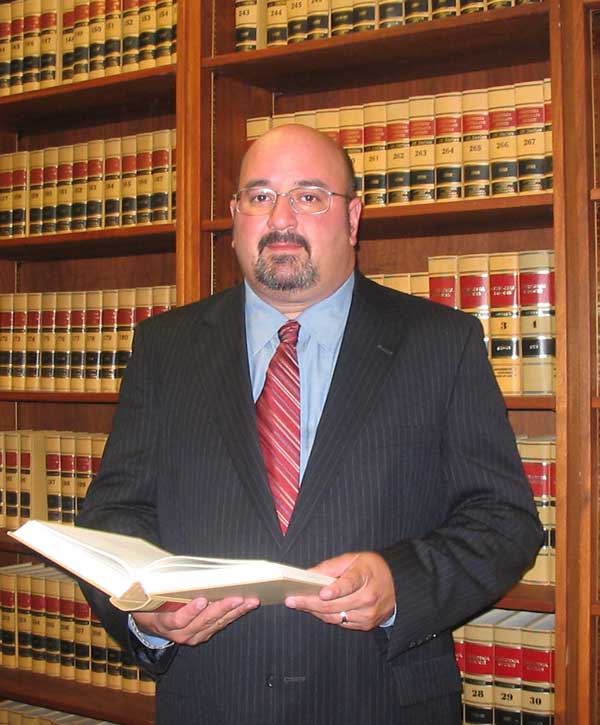
At Charles M. Green, APLC, our spousal support lawyers understand that navigating a family law dispute can be one of the most stressful and emotional experiences of your life. When your future, finances, and family are at stake, every decision matters. During these difficult times, the guidance of an experienced and financially skilled family law attorney can make all the difference in protecting what’s most important to you.
For over 27 years, Certified Family Law Specialist Charles M. Green, Esq.,CPA has combined his profound legal knowledge with his background as a certified CPA to deliver practical, strategic solutions for complex divorces and family law cases across Los Angeles. His unique dual expertise allows clients to approach emotionally charged disputes—such as property division, child custody, and support—with clarity and confidence.
Our firm provides focused, financially informed representation that blends professionalism with compassion. Every case receives the personal attention and analytical depth it deserves, ensuring that clients understand their options and feel supported throughout every stage of the process.
If you’re facing a spousal support or family law issue in Los Angeles, we invite you to schedule a confidential consultation. We’ll listen to your goals, explain your legal options, and develop a tailored strategy to help secure your future..
Spousal support in California depends on a detailed analysis of your finances, your marriage’s length, each spouse’s earning capacity, and employment status—not a simple formula. If you’re facing divorce in Los Angeles and need to understand what you, as the spouse seeking support or the paying spouse, might pay or receive, you need someone who can interpret tax returns, business financials, and California Family Code Section 4320 with equal fluency. That’s exactly what I do.
Divorce forces you to confront difficult questions about money at the worst possible time. You’re likely wondering whether you can afford to stay in your neighborhood, how long spousal support payments will last, or whether your spouse is hiding income. These concerns keep people up at night—and they deserve clear answers, not vague reassurances.
I’ve spent 27 years in Los Angeles County family courts handling spousal support cases ranging from straightforward calculations to forensic accounting battles involving business owners, entertainment professionals, and real estate investors. As both a Certified Family Law Specialist and a licensed CPA, I bring a perspective most family law attorneys simply cannot offer: the ability to read financial statements as fluently as legal documents.
When your financial future depends on getting spousal support right, you need an attorney who understands both the legal framework and the numbers behind it.
Spousal support, often referred to as alimony, is a vital component of many California divorce cases. Its primary purpose is to provide financial assistance to a spouse who may not be able to maintain the marital standard of living on their own, especially during the challenging transition of the divorce process. Whether you are the supported spouse seeking help or the spouse who may be required to pay, understanding your rights and obligations is crucial. The amount and duration of spousal support depend on several factors, including the length of the marriage, each spouse’s earning capacity, and the lifestyle established during the marriage. Navigating these issues can be complex, which is why working with a skilled family law attorney is essential. An experienced family law attorney can help you understand how spousal support works in California and ensure you receive the financial assistance you need to move forward confidently.
Selecting a spousal support attorney in Los Angeles matters more than you might expect. The difference between an experienced family law attorney and someone learning on your case can translate into thousands of dollars monthly—for years.
Spousal support in California is governed by a comprehensive set of rules under state family law. Unlike some states where alimony is automatic, California courts carefully evaluate each case before making a spousal support award. Judges rely on California Family Code Section 4320, which outlines the key factors they must consider, such as the length of the marriage, the standard of living during the marriage, and the earning capacity of both spouses. These factors ensure that any spousal support order is fair and tailored to the unique circumstances of each family. Because the law is nuanced and every case is different, having a qualified family law attorney by your side is invaluable. A knowledgeable family law attorney can help you understand your options, advocate for your interests, and guide you through the complexities of California family law to achieve a fair spousal support award.
California recognizes two primary types of spousal support: temporary spousal support and permanent spousal support. Temporary spousal support is typically ordered at the beginning of the divorce process to help maintain the marital standard of living until the divorce is finalized. This type of support ensures that both parties can meet their financial needs during the legal proceedings. Once the divorce or legal separation is complete, the court may order permanent spousal support—also known as long term spousal support—based on what is fair and reasonable under the circumstances. Permanent spousal support is designed to provide ongoing financial stability, especially in cases where one spouse may not be able to become self-supporting right away. In some situations, the court may award lump sum spousal support, which provides a one-time payment instead of monthly payments. The type, amount, and duration of spousal support in California depend on the unique facts of each case, making it important to consult with an experienced attorney during the divorce process.
Understanding what to expect reduces anxiety. Here’s how I approach spousal support cases in Los Angeles:
The spousal support process can involve initial requests, post-judgment modifications, and potentially court hearings.
Step 1: Comprehensive Financial Analysis
Every spousal support case starts with understanding the real financial picture. I personally review your income sources, tax returns, business interests, retirement accounts, and living expenses. For self-employed spouses or business owners, this means examining whether the reported income reflects actual cash available for support. My CPA training enables me to identify issues—such as personal expenses charged to a business or understated compensation—that directly affect the amount of spousal support you should pay or receive.
Step 2: Strategic Case Development
California Family Code Section 4320 lists over a dozen factors courts must consider when setting long term spousal support. Judges evaluate the following circumstances: the length of the marriage, the marital standard of living, each spouse’s earning capacity, spouse’s education, other spouse’s education, spouse’s ability, and other spouse’s ability to pay, as well as contributions to the other spouse’s education or career, health considerations, and domestic violence history if applicable. Contributions to the other spouse’s education or career can also lead to reimbursement support in addition to ongoing spousal support. The court determines who must pay alimony based on these financial circumstances and legal requirements. For LA County courts, I also account for local judicial preferences and procedural requirements. The court may consider awarding long term alimony if the recipient is not expected to become self-supporting within a reasonable timeframe or based on the duration of the marriage.
Step 3: Skilled Negotiation or Trial Advocacy
Many spousal support cases resolve through negotiation, saving you the cost and uncertainty of trial. Spousal support can be negotiated through mediation or direct negotiation with attorneys, and mediation is often a good alternative to litigation for resolving these issues. I pursue settlement when the terms are fair, but I’m fully prepared to present your case at trial when negotiation fails. Spousal support orders typically require periodic payments, such as monthly payments, but alternative arrangements like lump sum payments may be possible. My courtroom experience means I know how to cross-examine forensic accountants, challenge vocational evaluations, and present complex financial evidence in ways that resonate with LA County judges.
Step 4: Post-Judgment Support Services
Spousal support orders often require modification years after the divorce finalizes. Job loss, retirement, significant income changes, or a supported spouse’s cohabitation can all justify revisiting the original order. I help clients navigate these modifications, whether they’re seeking to reduce payments they can no longer afford or enforce support orders against an ex spouse who has stopped paying. If the other spouse fails to pay, I assist clients to collect spousal support through legal enforcement methods, including court-ordered payment arrangements.
When a divorce involves children, both child support and spousal support often come into play. The court typically considers the financial needs of the children first, which means that if one spouse is ordered to pay child support, it can impact the amount of spousal support awarded. The rationale is to ensure that the children’s needs are met before determining additional financial support for the other spouse. Additionally, the court may look at how the supported spouse contributed to the marriage, such as by raising children or supporting the other spouse’s career, when deciding on spousal support. Because the interplay between child support and spousal support can be complex, it’s important to work with a skilled family law attorney who understands how these support orders interact. A knowledgeable family law attorney can help you navigate these issues and ensure that both your children’s and your own financial interests are protected under California family law.
Not all family law attorneys approach spousal support with the same depth. Here’s what distinguishes my practice:
Permanent alimony, or permanent spousal support, is a form of ongoing financial support that may be awarded in long-term marriages, typically those lasting ten years or more. The length of the marriage is a significant factor in determining whether permanent spousal support is appropriate and how long it should last. While the term “permanent” suggests lifelong support, California courts generally expect the supported spouse to make reasonable efforts to become self-supporting within a certain timeframe. Permanent alimony may continue until a significant change occurs, such as the recipient spouse remarrying, becoming financially independent, or experiencing a substantial change in circumstances. The court also considers the paying spouse’s ability to provide support and the overall fairness of the spousal support award. Because permanent alimony involves complex legal and financial considerations, consulting a qualified family law attorney is essential. An experienced attorney can help you understand your rights, advocate for a fair outcome, and ensure that any spousal support award reflects your unique situation and the realities of your marriage.
Clients consistently highlight the combination of financial expertise and courtroom skill that defines my practice:
“Charles found income my ex was hiding through his S-corp that our previous attorney completely missed. The spousal support order increased by over $4,000 per month as a result.” — Former Client, Beverly Hills
“Going through divorce was the hardest thing I’ve experienced, but Charles and his team made the legal process manageable. His staff explained everything in Spanish when I needed it, and he was always prepared for every hearing.” — Former Client, Pasadena
“As a business owner worried about paying excessive alimony, I needed an attorney who understood corporate finance. Charles is a CPA—he spoke the same language as my accountant and made sure my spousal support payments reflected my actual ability to pay, not my company’s gross revenue.” — Former Client, Sherman Oaks
“After my income dropped significantly, Charles helped me modify my support order before the arrears became unmanageable. He knew exactly what evidence the court needed and handled everything efficiently.” — Former Client, Long Beach
Spousal support is a court-ordered payment from one spouse to another during or after a California divorce. The purpose of spousal support is to help the lower-earning spouse maintain financial stability while transitioning to independent living. California Family Code Section 4320 governs how courts determine spousal support amount and duration.
California courts calculate spousal support using 14 factors under Family Code Section 4320. Judges evaluate each spouse’s earning capacity, the marital standard of living, length of the marriage, age and health of both parties, and contributions to the other spouse’s career. Temporary spousal support uses a guideline formula, while long-term support requires individualized judicial analysis—no fixed calculator applies.
Spousal support duration in California depends on marriage length. For marriages under 10 years, support typically lasts half the marriage duration. For marriages of 10 years or longer—called “long-duration” marriages—courts retain jurisdiction indefinitely and may order extended or permanent support. Either spouse can request modification if circumstances change significantly.
Spousal support tax treatment depends on when the divorce was finalized. For divorces after December 31, 2018, spousal support is not tax-deductible for the payer and not taxable income for the recipient under federal law. However, California state tax law still treats spousal support as deductible for the payer and taxable to the recipient for divorces finalized before 2026.
Yes—alimony and spousal support are the same thing in California. California law uses the term “spousal support” in Family Code Sections 4300–4360. “Alimony” is an older term still commonly used in everyday language. Both refer to court-ordered financial payments from one spouse to another during or after divorce proceedings.
No—you cannot legally refuse to pay court-ordered spousal support in California. Failure to pay spousal support can result in wage garnishment, asset seizure, bank levies, driver’s license suspension, and contempt of court charges. If your circumstances have changed, you must file a formal modification request with the court rather than stop payments unilaterally.
Yes—California courts can modify spousal support after divorce if there is a material change in circumstances. Common grounds for modification include job loss, retirement, significant income change, or the recipient spouse cohabitating with a new partner. Either spouse must file a Request for Order (Form FL-300) to initiate modification proceedings.
Yes—cohabitation can reduce or terminate spousal support in California. Under Family Code Section 4323, courts presume a decreased need for support when the recipient spouse cohabitates with a nonmarital partner. The paying spouse must prove cohabitation exists and file a modification request—support does not automatically end.