3699 Wilshire Blvd. Ste 700, Los Angeles, CA 90010 Mon-Fri 9am-6pm +1-213-387-4508

Legal Retainer in California Family Law: What Los Angeles Clients Need to Know

Going through a divorce, custody battle, or family support dispute in Los Angeles County can feel overwhelming—especially when you’re trying to understand the financial commitment involved in hiring quality legal representation. One of the first concepts you’ll encounter is the “legal retainer,” and understanding how retainers work in California family law can help you make informed decisions about your case and budget.

A legal retainer isn’t just another legal fee—it’s your investment in securing dedicated legal representation during one of the most challenging periods of your life. Whether you’re facing an uncontested divorce in 2025, fighting for custody of your children, or dealing with complex financial issues involving business valuations or retirement accounts, the retainer process forms the foundation of your working relationship with your attorney.

This guide breaks down everything you need to know about legal retainers in California family law, from basic definitions to practical cost considerations specific to Los Angeles County cases. We’ll walk you through the process step-by-step, explain your rights as a client, and help you understand what to expect when you’re ready to hire an experienced family law attorney.

What is a legal retainer in a California divorce or family law case?

When you’re facing a family law matter in Los Angeles County, a legal retainer is an upfront payment that secures your attorney’s legal services and reserves their time for your case. Think of it as a down payment rather than the total price for your entire case—this distinction is crucial for managing your expectations and budget throughout the legal process.

In California family law matters, including divorce, legal separation, parentage actions, and domestic violence restraining orders, your retainer fee typically goes into a special client trust account. Your lawyer doesn’t immediately “earn” this money simply by accepting it. Instead, the funds remain yours until your attorney performs actual work on your case and bills you according to the agreed-upon hourly rates in your fee agreement.

The retainer serves several important purposes in your family law case. First, it provides legal counsel with the financial security needed to begin working on your file immediately, whether that means filing emergency motions, preparing for hearings at the Stanley Mosk Courthouse, or conducting initial case strategy sessions. Second, paying a retainer formally establishes the attorney-client relationship and prevents your spouse or co-parent from hiring the same attorney—a critical consideration in contentious Los Angeles divorces where conflict-of-interest issues can arise.

Under California’s ethical rules, particularly the State Bar Rules of Professional Conduct, most retainer funds must be treated as client property until they’re earned through actual legal work. This means that if your case resolves quickly or you decide to terminate the representation, any unearned portion of your retainer must be refunded to you. This client protection is especially important in family law cases, where emotions run high and financial stakes can be significant.

The retainer process also helps both you and your attorney plan for the financial aspects of your case. Rather than paying hourly as work is completed, the advance retainer allows your legal team to begin intensive work immediately—crucial when dealing with time-sensitive issues like temporary support orders, emergency custody hearings, or asset protection measures.

A professional attorney is seated at a modern conference table in a law office, discussing legal services and retainer agreements with a client. The setting reflects a commitment to providing dedicated legal representation, with documents outlining fees and future legal needs visible on the table.

Key components of a California family law retainer agreement

California law, including the Family Code and State Bar Rules of Professional Conduct, requires written fee agreements in most family law cases involving ongoing representation. Your retainer agreement isn’t just a payment receipt—it’s a comprehensive contract that outlines how your legal fees will be handled throughout your case.

Scope of Representation

Your lawyer retainer agreement outlines exactly what legal services you’re hiring the attorney to provide. This might include full representation through a final judgment in your 2025 divorce, limited-scope assistance with a specific custody modification, or post-judgment enforcement of support orders. The scope section clarifies whether your attorney will handle related matters like domestic violence restraining orders or if those require separate agreements. For complex cases involving business valuations or stock option divisions, the scope may specify coordination with forensic accountants and other experts.

Billing Rates and Time Recording

The agreement includes detailed hourly billing rates for different staff levels who may work on your case. Partners and Certified Family Law Specialists typically command higher rates than associates, while paralegal time is billed at lower rates for tasks like document preparation and court filing. Most California family law firms record time in tenths of an hour (six-minute increments), so a fifteen-minute phone call would be billed as 0.3 hours. The agreement should specify how time is recorded for various activities, from drafting declarations to appearing at hearings in Los Angeles Superior Court.

Case Costs and Filing Fees

Beyond attorney time, family law cases involve numerous costs that are typically separate from your retainer. Filing fees for petitions and motions, process server fees for serving papers, and fees for court reporters during depositions are common expenses. In high-asset cases, you may face substantial costs for business appraisers, forensic CPAs, custody evaluators, or vocational assessment experts. Your retainer agreement should clarify how these costs are handled—whether they’re paid separately, advanced from your retainer balance, or require pre-approval above certain amounts.

Trust Account Management

California attorneys must maintain strict separation between earned and unearned fees. Your agreement should explain that retainer funds go into an IOLTA-compliant trust account, how earned fees are transferred to the firm’s operating account after billing, and your right to regular accounting of trust funds. This section protects you by ensuring transparency about how your money is handled and guaranteeing that unearned fees remain accessible for refund.

The retainer amount itself—whether $5,000 for a straightforward case or $25,000 for a complex high-asset divorce—represents the firm’s estimate of fees for the initial phase of your case, not a flat price for complete legal services. Your agreement should clearly state this distinction and explain the process for requesting additional funds if your retainer balance becomes insufficient to cover ongoing work.

Before signing any retainer agreement, California law gives you the right to request itemized billing statements and to ask questions about any aspect of the fee structure. Take advantage of this opportunity to ensure you fully understand your financial commitment and obligations.

Types of legal retainer structures used in family law

Not every family law case uses the same retainer structure, and the right approach depends on your case’s complexity, potential duration, and level of risk involved. Understanding the different retainer models helps you choose an attorney whose billing practices align with your needs and financial situation.

Advance Fee (Security) Retainers

The most common structure in California family law cases is the advance fee or security retainer. You pay an upfront amount—perhaps $7,500 for a moderately complex divorce—that goes directly into your attorney’s trust account. As your lawyer and their legal team perform work on your case, they bill their time at agreed hourly rates and transfer earned fees from trust to their operating account. If your case concludes with unused funds in trust, those retainer funds are refunded to you. This structure provides transparency and protects your interests while giving your attorney the working capital needed to handle your case effectively.

Evergreen Retainers

High-conflict cases or matters requiring sustained work over many months often use evergreen retainer clauses. Under this model, your retainer agreement requires maintaining a minimum balance in your trust account throughout the representation. For example, you might start with $10,000 but agree to replenish the account whenever the balance drops below $4,000. If a major hearing or settlement conference is approaching and your available retainer funds are insufficient, you’ll need to restore the minimum balance before your legal team can proceed with intensive preparation. This structure ensures continuous representation without interruption for collections issues.

Flat Fee Arrangements

Certain limited, clearly defined tasks can be handled with fixed fee arrangements rather than traditional retainers. An uncontested 2024 or 2025 divorce with no children and minimal assets might qualify for flat fee treatment, as could preparation of a single stipulated custody order or review of a mediated settlement agreement. However, most contested Los Angeles family law cases involve too many variables for flat fee structures. Even seemingly simple divorces can become complex if disputes arise over property characterization, support calculations, or unexpected procedural requirements.

Hybrid and Phased Retainers

Some family law practices use creative combinations to balance predictability with flexibility. A hybrid approach might include a flat fee for initial case assessment and filing, followed by a traditional hourly retainer for litigation or negotiation phases. Alternatively, phased retainers break representation into segments—initial temporary orders, discovery and financial disclosure, settlement negotiations, and trial preparation—with separate retainer requirements for each phase based on anticipated work and complexity.

All retainer structures in California must comply with strict trust accounting rules and State Bar guidance on unearned fees. Regardless of the model used, your attorney cannot simply keep unearned retainer funds, and you maintain rights to accounting and refunds as appropriate.

Legal retainer fees vs. other attorney fees in California family law

Understanding how retainer deposits relate to other fee structures helps you evaluate different attorneys and make informed financial decisions about your legal representation. California family law offers several billing approaches, each with distinct advantages and limitations depending on your specific circumstances.

Retainer vs. Hourly vs. Flat Fee Comparison

A retainer fee functions as an advance payment for future legal services, while hourly billing charges you for work as it’s completed without any upfront commitment. Flat fees involve a single payment for a defined scope of work, regardless of time spent. In practice, most California family law cases combine retainer deposits with ongoing hourly billing—you pay an initial retainer that’s drawn down as work progresses, with additional payments required if your case exceeds the original deposit.

The key advantage of retainer-based representation over pure hourly billing is immediate access to legal counsel during emergencies. If your spouse files an ex parte motion for emergency custody or support orders, your attorney can respond immediately rather than waiting for payment authorization. For cases involving potential domestic violence or urgent financial protection needs, this immediate availability can be crucial.

Contingency Fee Restrictions

California law generally prohibits contingency fee agreements in family law matters involving child custody, support, or divorce proceedings. Unlike personal injury cases where lawyers can work for a percentage of any settlement, family law attorneys must use hourly fees or flat fees for most services. This restriction exists because family law matters involve fundamental rights and public policy considerations where contingency arrangements could create conflicts between attorney incentives and client or children’s best interests.

“Non-Refundable” Language and California Rules

Be cautious with any agreement containing broad “non-refundable” retainer language. California Rules of Professional Conduct generally treat advanced fee payments as refundable until earned through actual work performance. While narrowly defined “true retainer” arrangements for attorney availability can sometimes be non-refundable, most family law retainers are security deposits that must be refunded if unearned. If an agreement claims your entire retainer is non-refundable regardless of work performed, it may violate State Bar ethical rules.

Fee Structure

Best For

Client Protection

Immediate Availability

Advance Retainer

Most contested cases

Unearned funds refundable

Yes

Hourly Only

Simple, predictable matters

Pay-as-you-go

Limited

Flat Fee

Defined, limited scope

Fixed cost certainty

Depends on terms

Payment Plans and Third-Party Payors

Some attorneys offer payment plans for retainer amounts, though this is less common in family law given the unpredictable nature of case development. If a parent or other third party helps pay your retainer, special confidentiality protections must be maintained to preserve attorney-client privilege. Your attorney may require written acknowledgment that the payment doesn’t give the third party any rights to case information or strategy decisions.

How much does a legal retainer usually cost in Los Angeles family law cases?

Cost is typically the first question clients ask about retainers, and providing realistic 2024-2025 ranges helps you budget appropriately for legal representation in Los Angeles County family law matters. Retainer amounts vary significantly based on case complexity, attorney experience, and the specific financial and custody issues involved.

Typical Los Angeles County Retainer Ranges

In Los Angeles family law cases, retainers generally range from approximately $3,500 for relatively simple, uncontested divorces to $15,000-$40,000 or more for high-conflict or high-asset matters. A straightforward divorce with minimal assets, no children, and cooperative spouses might require only a modest initial retainer. However, cases involving business valuations, stock options, cryptocurrency holdings, or contested child custody typically demand substantially higher retainer amounts to cover the intensive work required.

Factors Affecting Retainer Amounts

Several key factors drive retainer costs in Los Angeles County family law cases:

  • Asset complexity: Multiple real properties, family businesses, professional practices, investment portfolios, and retirement accounts requiring QDROs significantly increase anticipated legal work
  • Income complications: Self-employment income, cash-intensive businesses, fluctuating bonuses, stock-based compensation, and multiple income streams require more sophisticated financial analysis
  • Disputed property characterization: Cases requiring separate vs. community property tracing, analysis of pre-marital vs. post-marital contributions, or resolution of commingled account issues demand extensive documentation review
  • Children and custody factors: Number of children, history of domestic violence, substance abuse concerns, or proposed move-away relocations affect case complexity and required court appearances
  • Anticipated expert involvement: Business valuation experts, forensic CPAs, custody evaluators, and vocational assessment specialists add substantial costs that must be coordinated with legal strategy

Attorney Experience and Specialization Impact

A Certified California Family Law Specialist (CFLS) with CPA credentials may charge higher hourly rates and require larger retainers, but can often handle complex financial issues more efficiently than general practitioners. The dual legal and accounting expertise becomes particularly valuable when dealing with business valuations, stock option divisions, tax implications of property settlements, or forensic accounting needs. While the initial retainer may be higher, the specialized knowledge can reduce overall case costs and achieve better financial outcomes.

Los Angeles County-Specific Realities

Los Angeles Superior Court’s family law departments handle enormous caseloads, leading to crowded calendars and multiple required court appearances. The Stanley Mosk Courthouse and other family law courthouses often schedule hearings months in advance, requiring sustained attorney preparation over extended periods. This reality, combined with extensive California disclosure requirements and detailed financial documentation needs, drives up the time and cost compared to smaller counties.

Example Retainer Scenarios

For a 2025 contested divorce involving a small business and two children in Los Angeles, a typical initial retainer might range from $15,000-$25,000, depending on the business complexity and custody dispute intensity. This amount covers initial filings, temporary orders hearings, preliminary financial disclosures, and early settlement negotiations, but is not a quote for complete case resolution.

Remember that the retainer represents an initial deposit based on estimated work for your case’s first phase, not a flat price for complete legal services. Your attorney should provide clear explanations of factors affecting your specific retainer amount during your initial consultation.

The image depicts a calculator alongside various financial documents that detail calculations related to divorce proceedings. These documents may include retainer agreements and legal fees, highlighting the importance of legal representation in managing the financial aspects of divorce.

How a legal retainer works step-by-step in a California family law case

Understanding the retainer process from your first attorney contact through case conclusion helps you navigate the legal and financial aspects of family law representation with confidence. This step-by-step breakdown clarifies what happens at each stage and what you can expect from your legal team.

Step 1: Initial Consultation and Case Assessment

Your attorney begins by gathering comprehensive information about your situation during the initial consultation. This includes marriage dates, separation circumstances, income details from both spouses, real estate holdings, retirement accounts, business interests, and any urgent issues requiring immediate attention such as domestic violence restraining orders, emergency custody concerns, or potential asset dissipation. The attorney evaluates factors like children’s ages and needs, history of domestic violence, and anticipated cooperation level from your spouse to estimate case complexity and likely court involvement.

Step 2: Fee Quote and Retainer Agreement Preparation

Based on your consultation information, your attorney estimates the time required for your case’s initial phase, considering typical Los Angeles County court timelines, required paperwork, and potential hearing schedules. For example, a moderate-complexity divorce might require 20-30 hours for initial petitions, financial disclosures, temporary orders preparation, and early settlement conferences. The attorney multiplies estimated hours by applicable hourly rates for partners, associates, and paralegals to calculate an appropriate retainer amount, then prepares a detailed written agreement for your review.

Step 3: Payment and Trust Account Deposit

Once you approve the retainer agreement, you can pay by personal check, business check, credit card, or electronic transfer depending on the firm’s accepted payment options. The lawyer deposits your retainer funds into an IOLTA-compliant client trust account, maintaining strict separation from the firm’s operating funds. Some firms provide electronic access to view your trust account balance, while others include balance information on monthly statements.

Step 4: Legal Work Begins

With your retainer secured, your legal team starts immediate work on your case. Common first tasks include filing your Petition for Dissolution or Response, preparing and serving preliminary declarations of disclosure, scheduling and preparing for initial court appearances, and beginning asset investigation or temporary support calculations. If urgent issues exist, your attorney can file ex parte motions or request emergency hearings at the Stanley Mosk Courthouse or other appropriate family law departments.

Step 5: Monthly Billing and Fee Transfers

Your law firm provides detailed monthly invoices showing time spent by each team member, specific tasks performed, and applicable hourly rates. Time entries typically include brief descriptions such as “telephone conference with client regarding temporary support strategy (0.3 hours)” or “draft declaration in support of request for temporary custody orders (1.8 hours).” After you receive and review each invoice, your attorney transfers the earned fees from your trust account to the firm’s operating account, reducing your available retainer balance accordingly.

Step 6: Retainer Balance Monitoring and Replenishment

As your case progresses, your attorney monitors your retainer balance and communicates when additional funds may be needed. If major events approach—such as settlement conferences, mediation sessions, or trial preparation—your lawyer will estimate additional costs and request retainer replenishment if your current balance appears insufficient. Evergreen retainer agreements require maintaining minimum balances throughout representation, while standard advance retainers may allow depletion with advance notice of upcoming funding needs.

Step 7: Case Conclusion and Final Accounting

When your family law matter concludes—whether through settlement, judgment, or case dismissal—your attorney prepares a final invoice covering all remaining work. Any unearned funds remaining in your trust account are refunded to you, typically within 30 days of case conclusion or representation termination. Your attorney provides a final accounting showing all retainer payments received, fees earned and transferred, costs advanced, and refund amounts due.

This systematic approach protects both client and attorney interests while maintaining transparency about fee arrangements and work performed throughout your legal representation.

Pros and cons of using a legal retainer in family law matters

While retainers represent the standard billing model for California family law representation, understanding their advantages and potential drawbacks helps you make informed decisions about legal representation that fits your specific needs and financial situation.

Advantages of Retainer Arrangements

Retainers provide immediate access to dedicated legal representation during family law emergencies, which can be crucial when facing sudden custody disputes, restraining order violations, or urgent financial protection needs. When your spouse files an unexpected ex parte motion or threatens to remove children from California, having an attorney already retained and familiar with your case allows for immediate response without delays for fee negotiations or payment processing.

The upfront funding structure encourages early legal intervention before costly mistakes occur. Many family law clients benefit significantly from early strategic advice about asset protection, temporary support calculations, or custody scheduling arrangements. With a retainer in place, you’re more likely to contact your attorney before making potentially harmful decisions about property division offers, custody agreements, or financial disclosures.

Retainers also provide predictable initial budgeting for legal representation. Rather than worrying about hourly charges accumulating unpredictably, you have a defined starting investment that allows your attorney to focus on advocacy rather than payment collections. This arrangement particularly benefits clients dealing with high-conflict situations where immediate, intensive legal work is necessary to protect interests and ensure proper court presentations.

For complex financial cases involving business valuations, stock options, or forensic accounting, adequate retainer funding allows thorough investigation and expert coordination without interruption. Your legal team can subpoena financial records, coordinate with valuation experts, and prepare comprehensive financial disclosures knowing that funding is available for sustained work over several months.

Potential Disadvantages and Limitations

Large upfront retainer requirements can create access barriers for clients with limited liquidity, particularly in Los Angeles County where housing costs and living expenses are substantial. A $15,000-$25,000 retainer may represent several months of income for middle-class families already struggling with separation-related financial pressures.

Misunderstandings about retainer refundability can create client anxiety and distrust. Some clients assume that paying a retainer means “losing” that money immediately, not understanding that unearned portions are refundable under California law. Clear communication about retainer mechanics is essential to maintain positive client relationships and realistic expectations.

Initial retainer estimates may prove insufficient for cases that develop unexpected complexity. While attorneys base retainer calculations on experience with similar cases, family law matters can escalate unpredictably due to spouse behavior, custody evaluator recommendations, or discovery complications. Frequent retainer replenishment requests can stress client finances and create perception that the attorney underestimated costs deliberately.

When Retainers May Not Be Ideal

Very limited, one-time legal questions often don’t justify full retainer arrangements. If you need single-consultation advice about modification procedures, document review for an agreement reached in mediation, or brief guidance about court procedures, hourly consultation without ongoing representation may be more cost-effective.

Cases where clients prefer maximum control over attorney work pace may benefit from pure hourly billing rather than retainer arrangements. Some clients want to approve each task before work begins, making retainer-funded representation less suitable than project-by-project authorization.

Balancing Retainer Trade-offs

Discussing these advantages and limitations openly with potential attorneys during initial consultations helps ensure that retainer arrangements serve your interests effectively. Experienced family law attorneys can adjust retainer structures, provide realistic estimates, and offer alternative approaches for clients with specific financial constraints or case needs.

How our dual CFLS and CPA background affects retainers in complex financial cases

When your family law case involves substantial assets, business interests, or complex financial arrangements, the attorney’s background and expertise significantly impact both retainer structuring and ultimate case outcomes. Complicated financial issues require specialized knowledge that affects how retainer amounts are calculated and how funds are allocated throughout your case.

Enhanced Financial Analysis Capabilities

Having a Certified California Family Law Specialist who is also a licensed CPA means your retainer covers access to dual legal and accounting expertise from the beginning of your case. During initial case assessment, this background enables more accurate analysis of tax returns, partnership K-1s, QuickBooks files, and brokerage statements to identify potential issues and estimate required work scope. Rather than referring financial questions to outside CPAs and coordinating between multiple professionals, your legal team can immediately assess income characterization questions, business valuation needs, and tax implications of proposed settlements.

This integrated approach often justifies higher initial retainer amounts for complex cases but typically reduces overall costs by eliminating coordination inefficiencies and duplicate work. When business valuations, stock option analysis, or forensic accounting becomes necessary, having a CPA-attorney can streamline the process and reduce reliance on multiple expensive experts.

Improved Retainer Accuracy for High-Asset Cases

Complex financial cases involving businesses, real estate portfolios, stock compensation, or retirement accounts require retainer calculations that account for sophisticated disclosure requirements, potential expert witness coordination, and extended negotiation or litigation timelines. The CPA background enables more precise estimation of time requirements for financial document analysis, asset tracing, and coordination with business appraisers or forensic accountants.

For example, a high-asset Los Angeles divorce involving a medical practice, multiple real properties, and substantial investment portfolios might require a $25,000-$40,000 retainer to cover initial financial investigation, expert coordination, and intensive settlement negotiations. The dual CPA-CFLS expertise helps justify this investment by demonstrating the specialized knowledge required to protect potentially millions in marital assets and ensure accurate property characterization.

QDRO and Retirement Division Considerations

Qualified Domestic Relations Orders (QDROs) require precise drafting to comply with ERISA requirements and individual plan provisions while implementing agreed property division terms. The CPA background provides enhanced understanding of defined benefit plan valuations, 401(k) account analysis, and tax implications of different division strategies. This expertise helps anticipate QDRO-related work requirements when setting retainer amounts, preventing surprise costs later in the case.

Many family law attorneys must rely on QDRO specialists for retirement division work, adding coordination time and separate expert costs. Having a CPA-CFLS who can handle both legal and financial aspects of retirement division provides more efficient service and better integration between property settlement negotiations and implementation documents.

Forensic Accounting Integration

In cases requiring income investigation, business cash flow analysis, or separate property tracing, the CPA credentials enable direct coordination with forensic accounting work rather than simply managing outside experts. Your retainer funds can cover legal analysis of forensic findings, integration with settlement strategy, and preparation of financial evidence for court presentations without additional coordination costs.

This integrated approach particularly benefits Los Angeles County cases involving entertainment industry income, technology company stock options, or small business valuation disputes where financial and legal issues are closely intertwined throughout the litigation process.

A conference table is covered with various business financial documents, including legal agreements and invoices, as a legal team analyzes them for future legal services. This scene reflects the importance of clear communication and retainer agreements in establishing a smooth working relationship between clients and legal professionals.

Client communication and transparency about retainers

Clear communication about retainer arrangements forms the foundation of successful attorney-client relationships in family law cases. Understanding how your attorney communicates about fees, billing practices, and trust account management helps you maintain confidence in your legal representation throughout what is often a lengthy and stressful process.

Billing Practice Explanations

Your attorney should explain billing practices thoroughly during your first meeting, including who will work on your file, how time is tracked for different activities, and when you can expect to receive invoices. In family law cases, multiple team members often contribute to your case—partners handle court appearances and complex negotiations, associates draft documents and conduct legal research, and paralegals manage disclosure preparation and court filings. Understanding these role distinctions helps you evaluate invoice entries and appreciate how different hourly rates apply to various tasks.

Time tracking explanations should cover how brief phone calls, email communications, and document reviews are recorded. Most California family law firms use six-minute increment billing, so a three-minute phone call rounds up to 0.1 hours. Understanding these mechanics prevents surprise when you see billing entries for seemingly brief tasks.

Bilingual Communication Support

For clients who prefer Spanish-language communication, bilingual explanations of fee agreements and invoice details ensure complete understanding of financial arrangements. Spanish-speaking staff can review retainer agreements, explain trust account mechanics, and answer questions about monthly billing statements in the client’s preferred language. This support is particularly important in Los Angeles County’s diverse legal market, where language barriers can create misunderstandings about financial obligations and client rights.

Bilingual support extends beyond translation to cultural communication preferences, ensuring that financial discussions respect different approaches to money management and family financial decision-making. Written materials in Spanish, including retainer agreement summaries and billing explanations, help clients maintain clear records and communicate effectively with family members about legal costs.

Ongoing Financial Communication

Clients should promptly alert their attorney when financial circumstances change significantly, enabling discussions about strategy adjustments, work pacing modifications, or payment plan options. If job loss, reduced income, or unexpected expenses affect your ability to replenish retainer funds, early communication allows your legal team to prioritize essential tasks and potentially defer non-urgent work until your financial situation stabilizes.

Clear Invoice Review Processes

Your attorney should encourage thorough review of each monthly invoice and provide easy mechanisms for questioning specific line items or requesting clarification about work performed. Detailed invoice descriptions help you understand case progress and evaluate whether time expenditures align with your priorities and expectations. Some firms provide online portals for invoice access and trust account balance monitoring, while others rely on mailed or emailed statements with detailed time entries.

Trust Account Transparency

Regular trust account reporting demonstrates your attorney’s commitment to ethical fund management and provides peace of mind about retainer fund security. You should understand how to request detailed trust account histories, how earned fees are calculated and transferred, and what happens to unused funds when representation concludes.

Setting clear expectations about communication frequency, invoice timing, and fund management procedures at the beginning of representation prevents misunderstandings and maintains positive working relationships throughout your family law case.

Frequently asked questions about legal retainers in Los Angeles family law

Is my retainer refundable in California?

Yes, under California State Bar Rules of Professional Conduct, unearned retainer funds must be refunded when representation ends. Only the amount your attorney actually earned through work performed can be kept. If your case settles quickly or you terminate representation early, any remaining trust balance belongs to you and must be returned within a reasonable time, typically 30 days.

Can my spouse pay my retainer?

While possible, having your spouse pay your retainer creates potential complications for attorney-client privilege and conflicts of interest. If marital funds are used for legal fees, the payment may affect later property division calculations. Your attorney will need to ensure that spousal payment doesn’t compromise confidentiality or create divided loyalties that could harm your representation.

What happens if I run out of retainer before my hearing?

Your attorney should provide advance notice when retainer funds are running low, especially before major hearings or settlement conferences. If your balance becomes insufficient, you’ll need to replenish funds before your lawyer can continue intensive preparation. Some firms will continue limited work while awaiting payment, but most require adequate funding before undertaking substantial tasks like trial preparation or expert coordination.

Can I switch lawyers and transfer my remaining trust balance?

Yes, if you change attorneys mid-case, any unearned retainer funds must be refunded to you. Your new attorney will require their own retainer agreement and advance payment. When switching representation, ensure that all trust accounting is current and that you receive detailed final statements from your departing attorney before paying new retainer amounts.

What happens if my retainer runs out during trial?

Trial preparation and court appearances are among the most time-intensive parts of family law cases. Your attorney should estimate trial-related costs well in advance and ensure adequate funding is available. If retainer funds become insufficient during trial, you may need to arrange emergency funding or payment plans to avoid interruption of representation during critical proceedings.

Do retainers cover all court appearances at Stanley Mosk Courthouse?

Retainer coverage depends on the scope defined in your fee agreement. Most retainers cover court appearances for matters within the defined representation scope, but may exclude unrelated proceedings or matters arising after case conclusion. Your agreement should specify which types of hearings and legal services are included in your retainer arrangement.

Can one retainer cover both divorce and restraining order cases?

Related family law matters can sometimes be handled under unified retainer agreements, particularly when issues arise from the same underlying relationship. However, domestic violence restraining orders may require immediate attention and separate court proceedings, potentially justifying separate limited-scope retainers for urgent protection while broader divorce proceedings continue under the original agreement.

How often will I need to replenish my retainer?

Replenishment frequency depends on your case complexity and retainer amount. Simple cases may never require additional funds, while contested matters involving business valuations or custody evaluations may need multiple replenishments. Evergreen retainer arrangements require maintaining minimum balances throughout representation, while standard advance retainers may allow depletion with advance notice of additional funding needs.

Next steps if you are considering hiring a family law attorney on retainer

If you’re evaluating whether to move forward with retainer-based legal representation for your Los Angeles County family law matter, the next step is scheduling a confidential consultation to review your specific circumstances, discuss likely court procedures, and receive realistic cost estimates tailored to your situation.

Our firm uses 27+ years of Los Angeles courtroom experience to provide honest assessments of case complexity, expected timelines, and retainer ranges appropriate for your specific family law needs. Whether you’re facing a straightforward divorce, complex business valuation issues, or high-conflict custody disputes, we explain the likely court process, potential costs, and retainer structures before asking for any financial commitment.

During your consultation, we’ll review factors affecting your retainer amount, including asset complexity, custody concerns, and anticipated court involvement. Our dual CFLS and CPA background enables precise estimation of costs for financial analysis, business valuations, and expert coordination that many family law cases require. We provide written retainer estimates and explain exactly what legal services your retainer will cover during the initial case phases.

Spanish-speaking staff are available to ensure complete understanding of retainer agreements and billing practices for clients who prefer Spanish-language communication. We believe that clear communication about legal fees and retainer mechanics reduces stress and builds confidence throughout the family law process.

The image depicts a modern courthouse building representing the Los Angeles County Superior Court, showcasing its sleek architectural design and large glass facade. This structure symbolizes the legal services provided within, where clients can seek dedicated legal representation and navigate their legal needs effectively.

Contacting our firm does not obligate you to hire anyone, but it does provide the clear information you need before making significant legal and financial decisions about your family law representation. We encourage you to schedule your consultation to discuss retainer options, fee structures, and legal strategies appropriate for your specific circumstances.

Our goal is helping you understand your options and make informed choices about legal representation that protect your interests while managing costs effectively throughout your family law case. Contact us today to schedule your confidential consultation and take the first step toward resolving your family law matter with experienced, dedicated legal counsel.

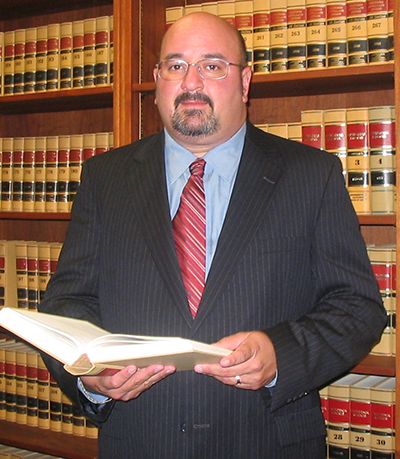
Charles M. Green is Certified as a California Family Law Specialist through the Board of Legal Specialization of the State Bar of California. He has worked extensively in both financial accounting fields and as a litigation attorney specializing in Family Law Cases. He is also diversely experienced in a number of other legal practice areas of importance to individuals, families, and businesses.

Leave a Reply